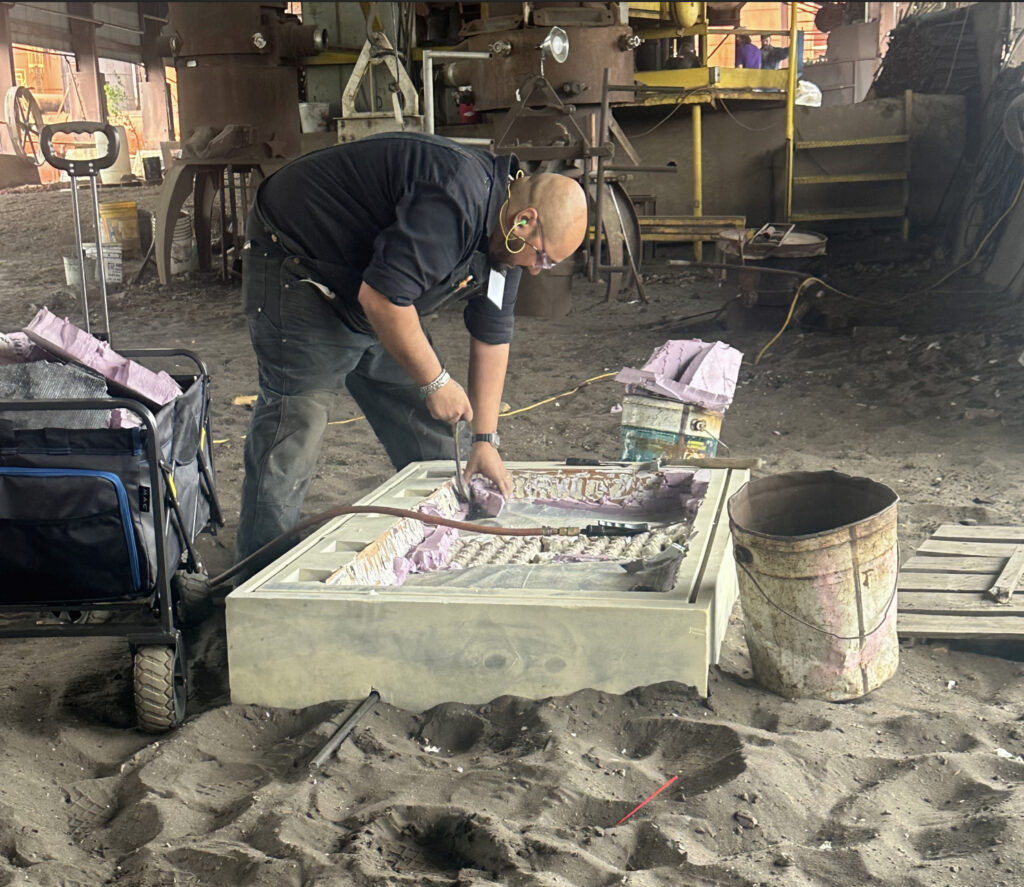
Eric Fuertes
Assistant Professor of Art
College of DuPage
Glen Ellyn, Illinois
Website: www.ericfuertes.com
Instagram: @fuertesmade
Artist Statement
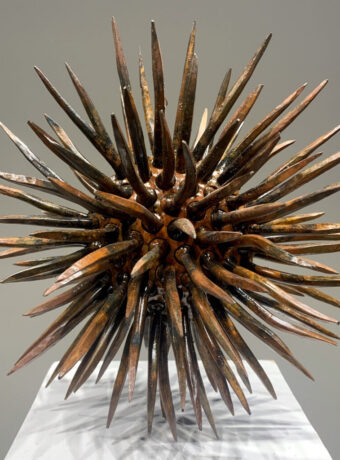
My work examines the ways materials and objects carry memory, reflect labor, and shape our
understanding of place and identity. Working with cast iron, wood, steel, and contemporary
digital fabrication, I am interested in how traditional craft and emerging technologies can exist in
dialogue, each informing the other while expanding the possibilities of sculpture. Whether
casting iron, welding steel, carving wood, or using CNC technology, I approach making as both
a process of discovery and a means of understanding the relationships between material,
history, and culture.
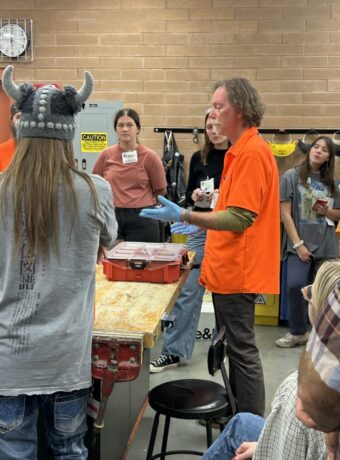
As both an artist and educator, I believe making is a powerful way to build community. My
practice extends beyond the studio through collaborative projects, public demonstrations, and
educational programming that invite others into the creative process. I am committed to
preserving traditional metalworking practices while embracing new technologies, creating
opportunities for people from all backgrounds to engage with sculpture, craftsmanship, and the
transformative potential of making.
Artist Biography
Eric Fuertes is a sculptor and Assistant Professor of Art at the College of DuPage in Glen Ellyn,
Illinois, where he teaches sculpture and digital fabrication. His studio practice combines cast
iron, steel, wood, and contemporary fabrication technologies to explore the relationship between
material, process, and memory. Drawing from both industrial traditions and emerging
technologies, his work bridges handcraft and digital making while celebrating the history and
future of sculpture.
Fuertes has exhibited nationally and internationally and is an active member of the metal
casting community. Through his artwork, teaching, and public programming, he is committed to
expanding access to sculpture and fabrication, fostering collaborative learning, and helping
make the arts more accessible to communities that have not traditionally had opportunities to
engage with these processes.